Mastering Natural Light: A Guide to Stunning Portrait Photography
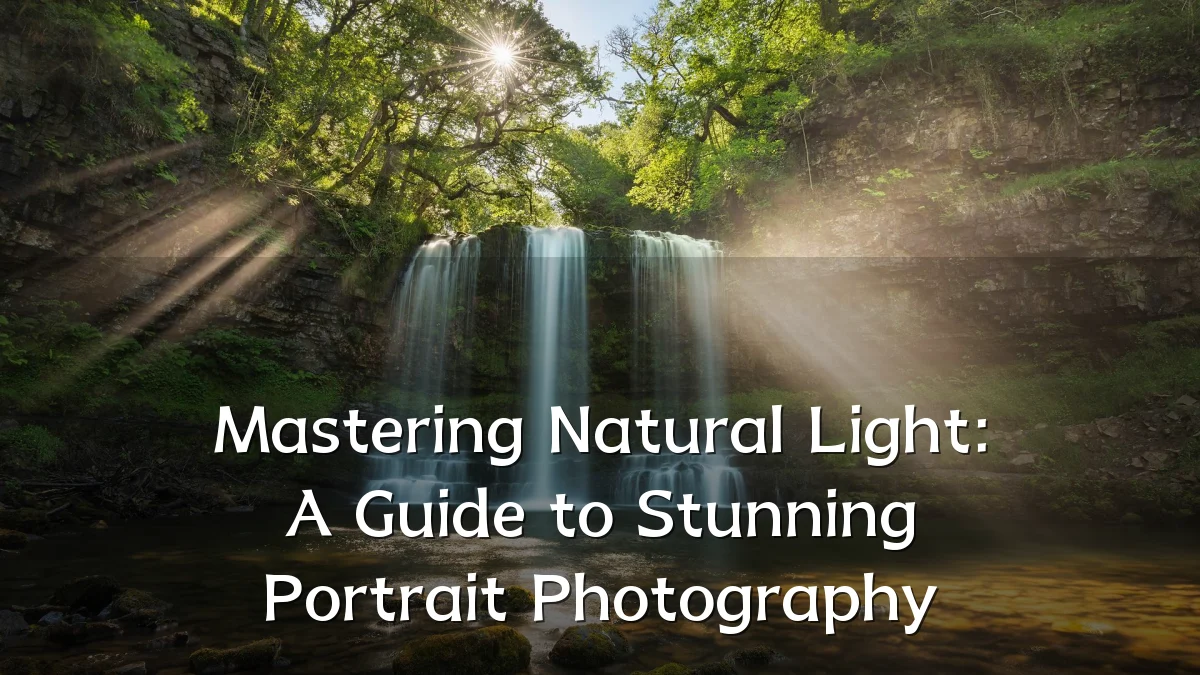
Natural light portraiture has moved from a niche preference to a mainstream approach across both amateur and professional circles. This analysis examines recent developments, underlying principles, practical challenges, expected influence on the craft, and emerging practices to watch.
Recent Trends
- Increased use of window light and open shade over full sun, driven by a desire for softer, more forgiving illumination.
- Rise of “golden hour” sessions as a default recommendation in online tutorials and photography workshops.
- Growing popularity of reflector-only lighting setups, reducing reliance on bulky artificial strobes.
- Social media platforms favoring images with natural, ungraded light, prompting photographers to refine their in-camera skills.
Background
Natural light portrait photography relies on ambient daylight to illuminate subjects. Unlike studio flash, it demands careful observation of light direction, quality (hard vs. soft), and color temperature. Key factors include time of day, weather conditions, and available modifiers such as scrims, diffusers, or reflective surfaces. The approach traces back to early photography when artificial light was rare; today it remains a foundational skill that informs all lighting techniques.
User Concerns
- Inconsistent light: Cloud cover, building shadows, and time constraints make results unpredictable, requiring quick adaptation.
- Contrast management: Harsh sunlight creates deep shadows on faces; common remedies include moving to open shade, using a fill reflector, or waiting for softer conditions.
- White balance fluctuations: Mixed light sources (e.g., window light plus indoor lamplight) can cause unwanted colour casts if not corrected through in-camera presets or raw editing.
- Lens and sensor limitations: Low-light scenarios may push ISO beyond acceptable noise thresholds, especially with slower lenses.
- Model comfort: Squinting in bright sun or shivering in cool shade can affect expression and session duration.
Likely Impact
- On technique: Photographers will continue refining positioning skills (subject and self) rather than relying on complex gear, reinforcing a “less is more” mindset.
- On equipment: Demand for fast prime lenses (f/1.8 to f/1.4) and adjustable reflectors is expected to hold steady, while sales of starter strobe kits may plateau.
- On education: More workshops and online courses now devote entire modules to natural light scenarios, from overcast days to backlit silhouettes.
- On client expectations: Clients increasingly request “natural, unposed” portraits, often citing editorial styles that rely on ambient light.
What to Watch Next
- Hybrid lighting: Combining natural light with small, portable LED panels to sculpt shadows without overpowering daylight.
- AI-assisted exposure metering: Cameras and editing software may offer real-time suggestions for the best natural light composition based on scene analysis.
- Ethical considerations: Shooting in public spaces with natural light raises privacy and consent questions as mobile portraits become more common.
- Skill bridging: Expect more tools that translate natural light principles into studio setups, helping photographers switch seamlessly between environments.