Unlock Your Creative Eye: 5 Photography Exercises to See the World Differently
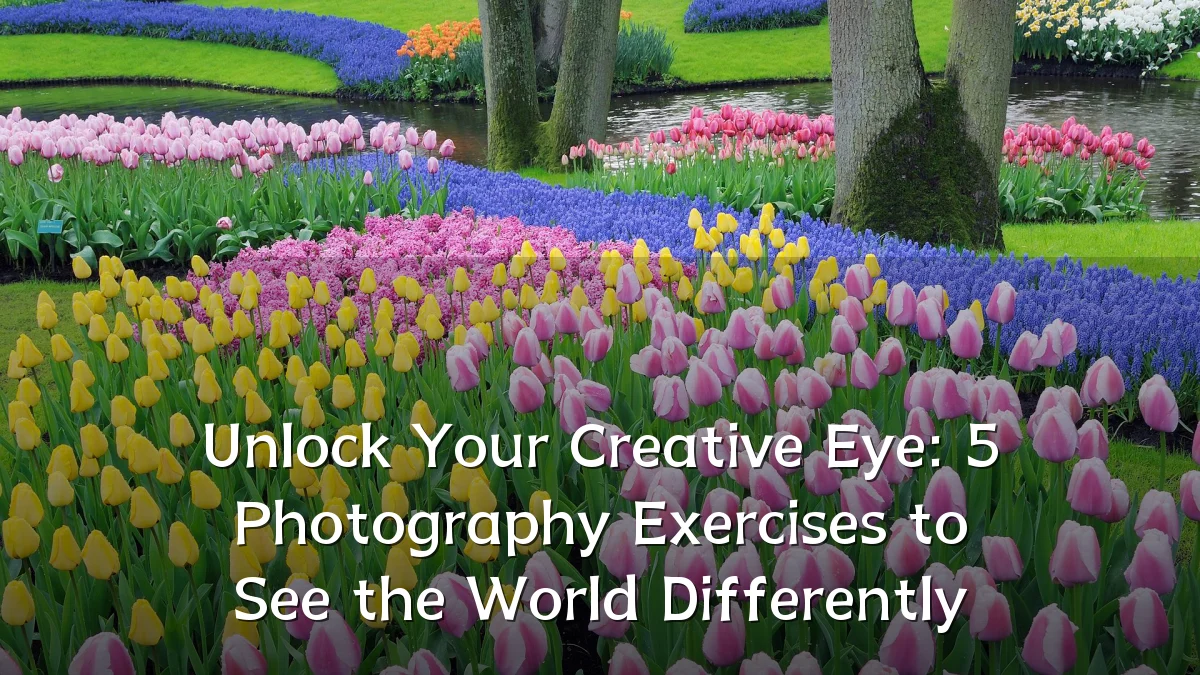
In an age of endless visual content, many photographers—amateurs and professionals alike—find themselves trapped in repetitive patterns. The fixed title above points to a structured approach: five exercises designed to break habitual seeing. This article examines the trend of intentional creativity exercises, the concerns they address, and their potential impact on photographic practice.
Recent Trends in Creative Photography
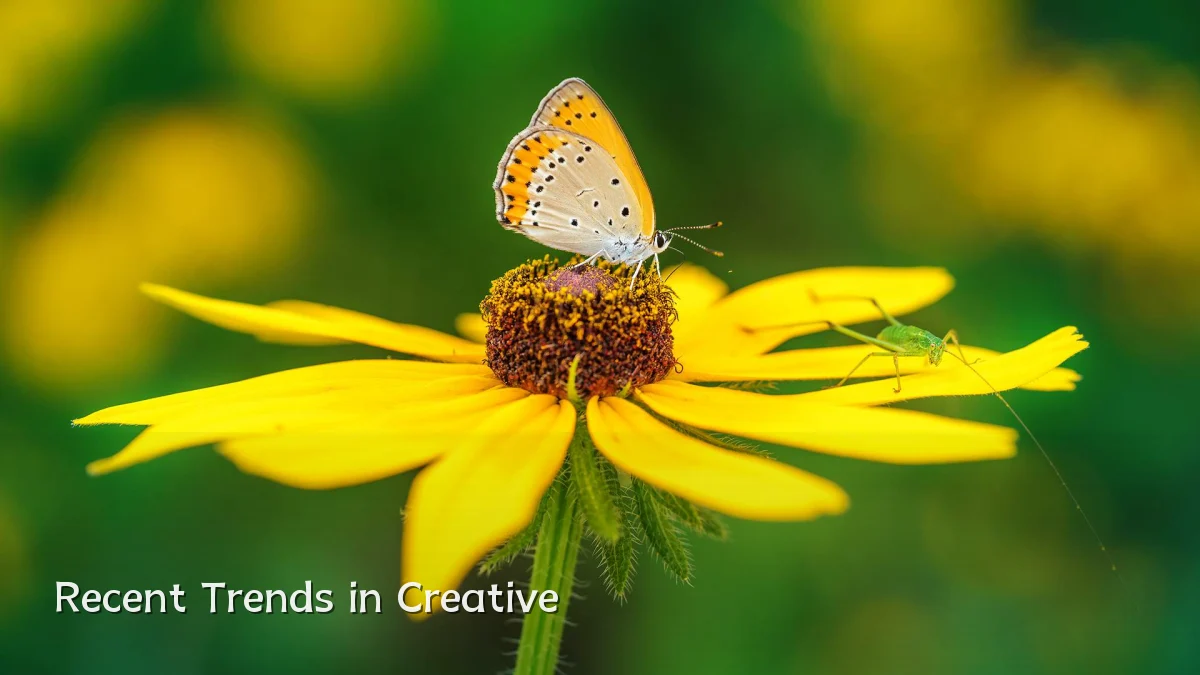
Smartphone cameras now rival dedicated gear, lowering the technical barrier. Meanwhile, social media algorithms reward consistency over novelty, often leading to formulaic compositions. Against this backdrop, a growing number of photography tutorials and workshops emphasize deliberate practice over gear upgrades. The idea is not to master a new technique, but to retrain the eye. Exercises like forced perspective, single-color days, or shooting without a viewfinder have gained traction on platforms such as Instagram and YouTube.
- Rise of "photo challenges" with weekly themes
- Shift from technical tutorials to perception-based prompts
- Integration of mindfulness and photography workshops
Background: Why Structured Exercises Matter
The concept of deliberate practice in photography stems from broader learning science—repetitive, targeted actions that push past comfort zones. Traditional photography education focused on aperture, shutter speed, and composition rules. While foundational, these can become crutches. Exercises that constrain the photographer (e.g., using only one lens for a month, or shooting black-and-white for a week) force new visual decisions. They echo methods used in art schools and design thinking workshops.

Five common exercises—such as shooting from knee level for a day, capturing only reflections, or reversing your usual walk route—are not gimmicks; they are systematic attempts to interrupt automatic perception. The specific five referenced in the title likely include similar constraints, each targeting a different cognitive habit.
User Concerns: Overcoming Creative Blocks
Photographers frequently cite two frustrations: “I don’t see anything new” and “My photos all look the same.” These concerns are rooted in neural adaptation—the brain filters out familiar stimuli. Users worry that spending money on new lenses or travel will solve the block, only to carry old habits to new locations. Others fear that exercises feel artificial or gimmicky, not “authentic” to their personal style.
Practical criteria for choosing exercises include:
- Does it limit one variable (e.g., color, angle, subject)?
- Can it be done in your current environment without travel?
- Does it produce visible portfolio diversity?
A well-structured exercise that forces a new perspective (e.g., shooting every subject from below waist level) directly addresses the fear of stagnation without demanding gear upgrades.
Likely Impact of Regular Practice
When photographers commit to even one exercise per week, measurable shifts occur. Compositional variety increases—subjects that were previously ignored become focal points. Observation skills sharpen, leading to stronger candid shots and more intentional landscapes. For social media content creators, the result is a feed that stands out from algorithmic sameness. Over months, photographers report reduced reliance on post-processing fixes because the initial capture is more interesting.
“Constraints are a catalyst, not a cage. A single-lens day or a colorless palette forces you to see light, texture, and form instead of relying on the usual tricks.” — observed in community photography forums
However, impact depends on consistency. Sporadic use produces little change. The five-exercise framework offers a structured rotation that prevents boredom and builds a habit loop.
What to Watch Next
The future of creative photography may blend these analog exercises with digital tools. Emerging trends include AI that generates “assignment prompts” based on your past work to target weak areas, and augmented reality overlays that gamify seeing (e.g., “find a Fibonacci spiral in real time”). Additionally, photography retreats and online cohorts are packaging these exercises into 30-day challenges, with peer feedback loops. Watch for more integration between mindfulness apps and camera roll analysis—software that tells you when your compositions have become repetitive could prompt a new exercise.
Ultimately, the value of the five exercises lies not in any single action, but in the sustained practice of breaking one’s default view. As visual culture evolves, such foundational training may separate predictable images from genuinely inventive ones.