Capturing the Light of Provence: A Guide to Landscape Photography in Southern France
Recent Trends
Discussions on French photography blogs have highlighted a steady increase in interest around landscape photography in Provence, particularly during the lavender and sunflower seasons. Several trends are shaping how photographers approach the region:
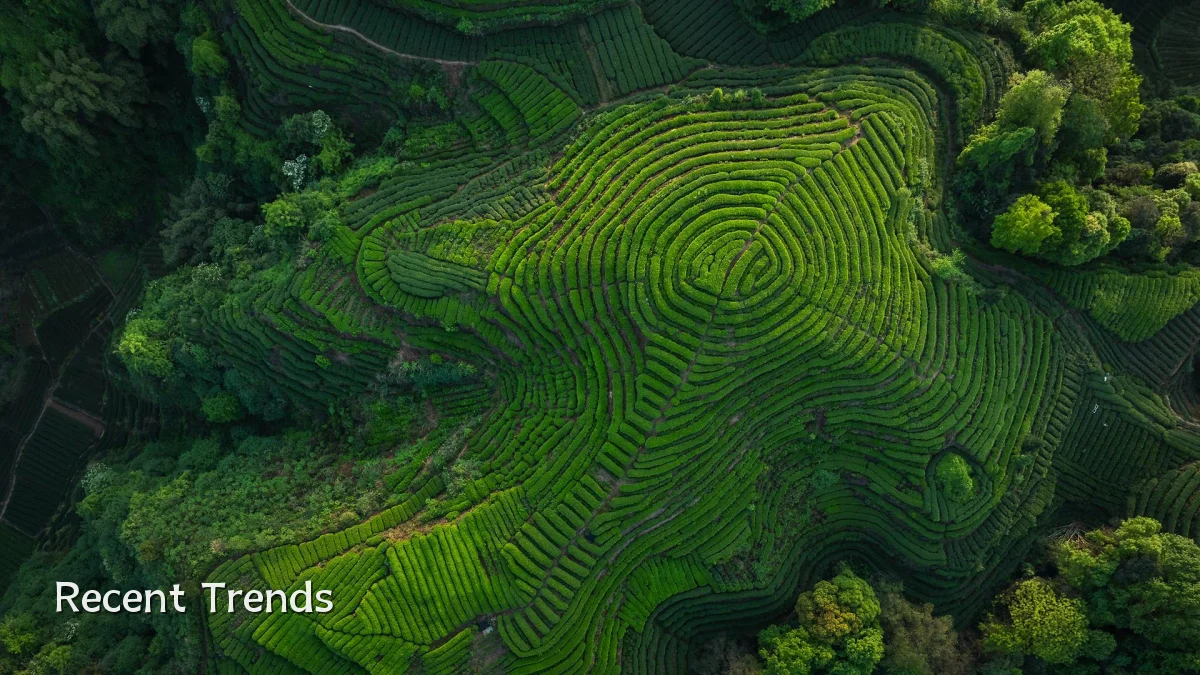
- Greater use of drone photography to capture the patchwork of fields and hilltop villages, though local regulations vary by commune and require advance verification.
- A shift toward early morning and late afternoon shoots to avoid harsh midday light and tourist crowds, especially around popular spots like the Valensole Plateau and Gordes.
- Rising popularity of minimalist compositions that emphasize the quality of light over wide-angle grandeur, often using telephoto lenses to compress layered landscapes.
- Increased sharing of location-specific tips on social media and niche blogs, leading to both inspiration and concerns about overcrowding at iconic viewpoints.
Background
Provence has long been a magnet for painters and photographers, drawn by its unique light—often described as warm, clear, and diffused by the mistral wind. The region's geography combines lavender fields, olive groves, limestone cliffs, and the Camargue wetlands, offering a wide range of subjects in a relatively compact area. Many French photography blogs serve as de facto guides, offering seasonal calendars, lens recommendations, and route planning advice. The tradition of photographing Provence dates back to early postcard images, but the digital era has democratized access, making it a frequent topic for both amateur and professional portfolios.
User Concerns
Photographers planning a trip to Provence often raise recurring practical questions. Key concerns include:
- Best timing: Lavender blooms typically peak from mid-June to mid-July, but sunflower fields can vary. Sunflowers are often planted in rotation, so exact locations change yearly. Local blogs advise checking recent social media posts for real-time conditions.
- Access and permissions: Many fields are private property. Photographers are encouraged to avoid trampling crops, park only in designated areas, and respect farmers' signs. Drone use is restricted near historic sites and nature reserves.
- Weather unpredictability: The mistral wind can rise suddenly, affecting stability for tripods and drones. Summer heat often forces midday breaks, while spring and autumn offer milder light but fewer floral displays.
- Crowds and composition: Popular viewpoints can be congested at sunrise. Some blogs suggest exploring less photographed areas, such as the Alpilles foothills or the Luberon's eastern villages, for quieter sessions.
Likely Impact
The growing visibility of Provence's landscapes on photography blogs is likely to influence several areas: local tourism boards may invest in photography-friendly infrastructure, such as designated parking and lookout points; workshop and tour operators will continue to expand tailored itineraries; and the regional agricultural sector may see increased foot traffic during flowering seasons, prompting more explicit visitor guidelines. On the creative side, the proliferation of near-identical compositions may push photographers to experiment with weather conditions, abstract crops, or nighttime shoots. The exchange of information via French photography blogs is also likely to foster a more community-driven approach to protecting fragile landscapes and respecting farming schedules.
What to Watch Next
Observers suggest keeping an eye on the following developments in the coming seasons:
- Emergence of "no-drone" or permit-only zones as local authorities respond to increased aerial photography.
- How climate variability affects bloom dates and landscape colors—some blogs already track year-to-year shifts in lavender and olive yields.
- Growth of post-processing tutorials specific to Provence's light, especially for adjusting white balance and toning to approximate the region's distinctive palette.
- Greater integration of written guides with interactive maps and crowd-sourced feedback loops, allowing real-time condition updates.